Why Preventive Property Maintenance Matters: Protecting Your Investment Before Problems Grow
Owning an investment property comes with a long list of responsibilities, but few are as important to the long-term health of the property as regular maintenance. It can be tempting to take a reactive approach—waiting until something breaks, leaks, stops working, or generates a resident complaint before addressing it. While some unexpected repairs are unavoidable, relying primarily on reactive maintenance can become costly.
Preventive maintenance takes a different approach.
Instead of waiting for a problem to become obvious, preventive property maintenance focuses on routine inspections, servicing, and upkeep designed to identify potential concerns early. For property owners, that can mean fewer surprises, better control over maintenance expenses, and a property that is better positioned to retain its value over time.
What Is Preventive Property Maintenance?
Preventive maintenance includes regularly scheduled tasks performed to keep a property, its systems, and its equipment functioning properly.
The exact maintenance needs of a property will vary depending on its age, location, size, amenities, and type. However, a preventive maintenance plan may include tasks such as:
- Inspecting HVAC systems and changing filters
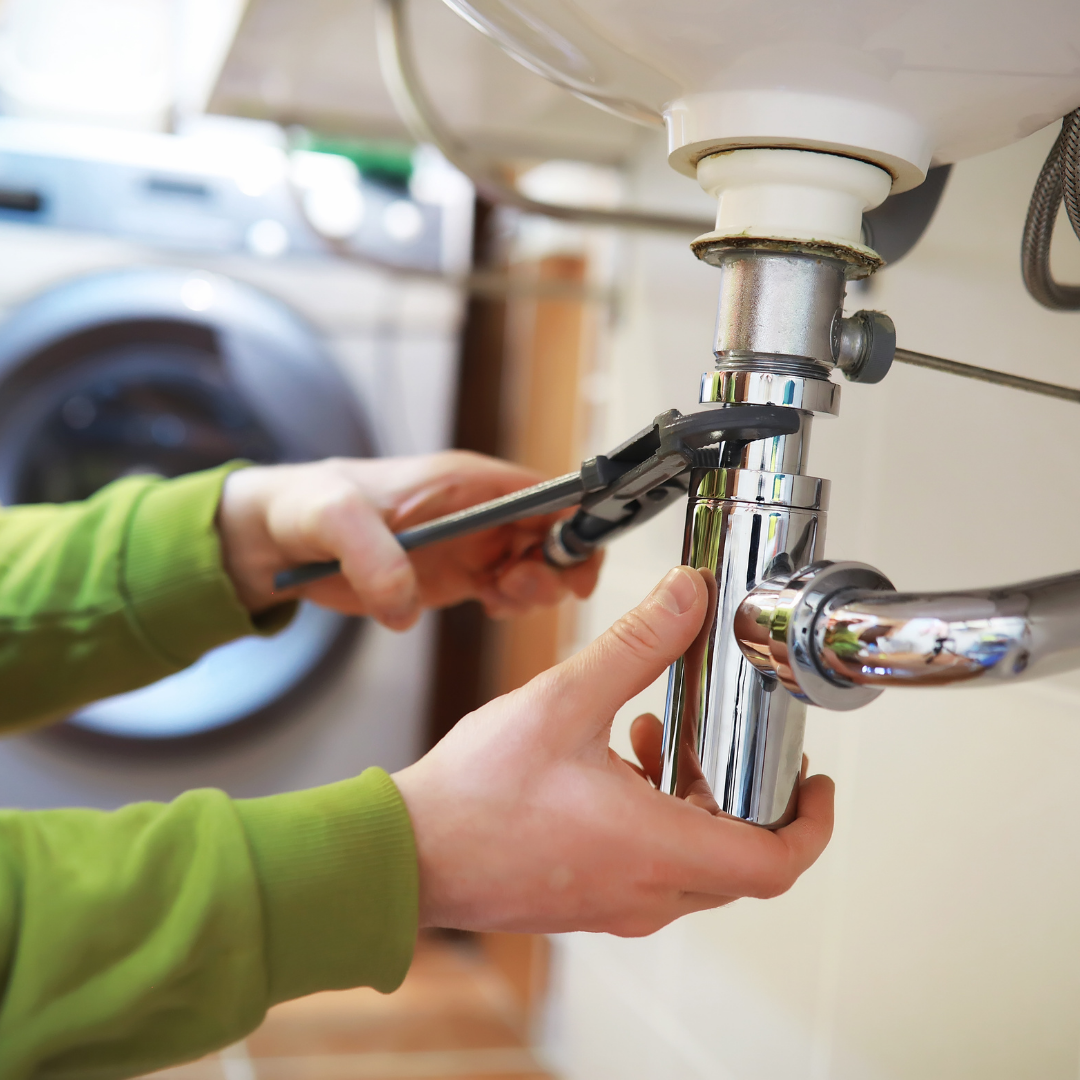
- Checking plumbing fixtures and visible pipes for leaks
- Inspecting roofs, gutters, and drainage systems
- Testing smoke and carbon monoxide detectors as appropriate
- Checking exterior lighting and common-area fixtures
- Inspecting doors, windows, locks, and weather sealing
- Maintaining landscaping and irrigation systems
- Servicing property equipment according to manufacturer recommendations
- Watching for signs of moisture, pests, deterioration, or structural concerns
- Reviewing common areas for repair or safety needs
Individually, many of these tasks may seem minor. Together, however, they create an important first line of defense against larger property problems.
Small Problems Rarely Stay Small
One of the biggest advantages of preventive maintenance is the opportunity to catch an issue before it becomes significantly more complicated.
Consider something as simple as a small plumbing leak. Addressed quickly, it may require a relatively straightforward repair. Left unnoticed, that same leak could contribute to damaged flooring, drywall, cabinetry, or other materials.
The same principle applies throughout a property. A minor roof issue can eventually lead to water intrusion. An HVAC system that isn't properly maintained may operate inefficiently or experience premature problems. Damaged exterior caulking or weather sealing can allow moisture to enter areas where it doesn't belong.
Preventive maintenance doesn't guarantee that major repairs will never happen. Buildings age, equipment eventually reaches the end of its useful life, and unexpected problems occur. What a preventive approach can do is reduce the likelihood that easily detectable problems are allowed to grow simply because no one noticed them.
Protecting the Owner's Investment
A rental property is more than a building—it is a significant financial asset.
Regular maintenance helps preserve that asset by keeping its systems, finishes, exterior features, and common areas in better condition. Over many years, consistent upkeep can make a meaningful difference in how a property ages.
Deferred maintenance can have the opposite effect. When repairs accumulate, owners may eventually face several expensive projects at once. Visible deterioration can also affect the overall impression of a property and make future improvements more extensive than they otherwise would have been.
A proactive maintenance strategy helps owners think beyond today's repair and consider the property's long-term condition.
Preventive Maintenance Can Help With Budgeting
Maintenance will always be part of property ownership. The question is whether expenses are approached with a plan or primarily as emergencies.
A preventive maintenance schedule can make certain costs more predictable. When property systems are inspected and serviced routinely, owners and managers have a better opportunity to identify equipment or components that may be approaching the end of their useful life.
That information is valuable when planning future property expenses.
For example, knowing that an aging system is beginning to require more frequent attention gives an owner an opportunity to prepare for eventual replacement rather than being completely surprised when that day arrives.
Not every expense can be predicted, of course. But better visibility into the condition of the property can support more informed financial planning.
Maintenance Also Affects the Resident Experience
Preventive maintenance isn't only about protecting the physical property. It can also contribute to a better experience for the people who live there.
Residents expect their homes and communities to be properly maintained. When common areas are cared for, maintenance concerns receive appropriate attention, and important property systems are routinely monitored, residents can see that their community is being actively managed.
Preventive maintenance may also allow certain issues to be addressed before they become disruptive.
An unexpected equipment failure or significant repair can inconvenience residents and require emergency scheduling. Catching potential concerns during routine maintenance may provide more flexibility to coordinate work and communicate with residents.
Good maintenance practices demonstrate that the condition of both the property and the resident's home matters.
Seasonal Maintenance Matters, Too
Properties face different maintenance needs throughout the year, making seasonal planning another important part of a preventive strategy.
Before periods of extreme heat or cold, HVAC systems may need additional attention. Rainy seasons can make drainage, roofing, and exterior inspections particularly important. Landscaping and irrigation needs can change significantly with the seasons.
Seasonal transitions are also useful reminders to inspect parts of a property that may otherwise be overlooked.
Rather than treating maintenance as a single annual checklist, property owners and managers can benefit from considering what the property needs throughout the entire year.
Documentation Makes Maintenance More Effective
A strong preventive maintenance program isn't just about completing tasks. Keeping accurate records is also important.
Maintenance documentation can help track:
- When equipment was last serviced
- Repairs that have already been completed
- Recurring issues in particular units or areas
- Warranty information
- Vendor visits
- Inspection findings
- Recommended future repairs or replacements
Over time, these records provide valuable history about the property.
If the same repair keeps appearing, documentation can help identify a pattern. If a major system is aging, its maintenance history can provide additional context when deciding whether another repair or replacement makes the most sense.
Without good records, property owners may find themselves repeatedly starting from scratch.
The Importance of Reliable Vendors
Preventive maintenance also depends on having access to qualified professionals when specialized work is needed.
Building relationships with reliable vendors can help property managers coordinate routine services and respond more effectively when problems arise. Instead of searching for a contractor only after an emergency occurs, an established network provides a starting point for getting the appropriate help.
Property management involves many different specialties, from plumbing and electrical work to landscaping, HVAC service, cleaning, roofing, and more. Coordinating these moving pieces is an important part of maintaining a property consistently.
A Proactive Approach to Property Management
It is easy to notice property management when something goes wrong. A repair request arrives, an appliance stops working, or an unexpected issue needs immediate attention.
But much of effective property management happens before a crisis.
Regular inspections, maintenance schedules, vendor coordination, recordkeeping, resident communication, and long-term planning all work together behind the scenes to help properties operate successfully.
At EBMC, professional property management includes looking beyond today's immediate needs and considering the long-term health of the properties we manage. A proactive approach to maintenance can help owners protect their investments while supporting communities that residents are proud to call home.
Preventive maintenance may not eliminate every unexpected repair, but having a consistent plan can make property ownership far more manageable—and help keep small problems from becoming much bigger ones.
Ready for a proactive maintenance partner? Explore EBMC's property management services to see how we help protect your investment.