Preventing Workplace Injuries in Property Management
Property management is often viewed as an administrative profession, but the reality is that it involves a wide range of responsibilities that can present physical challenges for staff working both in offices and on properties. From maintenance tasks and property inspections to lifting equipment and navigating stairways or uneven surfaces, property management professionals regularly perform duties that require awareness of workplace safety.
Because of this, preventing workplace injuries is an important part of maintaining strong operations and supporting the well-being of employees. One of the most common types of injuries reported in property management environments involves strains and sprains. These injuries can occur in a variety of ways and often result from routine tasks that may not initially appear hazardous.
Understanding these risks and taking preventative steps can help property management teams maintain safer workplaces while continuing to deliver excellent service to residents and property owners.
Common Causes of Workplace Strains
Strains and sprains often occur when the body is placed under stress during physical activity. In property management environments, these injuries can result from several common workplace situations.
Moving equipment, tools, or furniture is a frequent part of property maintenance and office operations. When items are heavy or awkward to handle, improper lifting techniques can place unnecessary strain on the back, shoulders, and joints.
Working in awkward positions can also lead to injury. Maintenance staff may need to access equipment in tight spaces or perform repairs that require bending or reaching for extended periods. Even office staff can experience strain if workstations are not properly arranged.
Trips and falls are another potential hazard in property management environments. Stairways, walkways, and outdoor areas can become slippery or obstructed, especially in busy communities or during maintenance activities.
In addition, employees who travel between properties may face risks associated with vehicle use. Safe driving practices and vehicle inspections are important components of workplace safety.
The Importance of Awareness
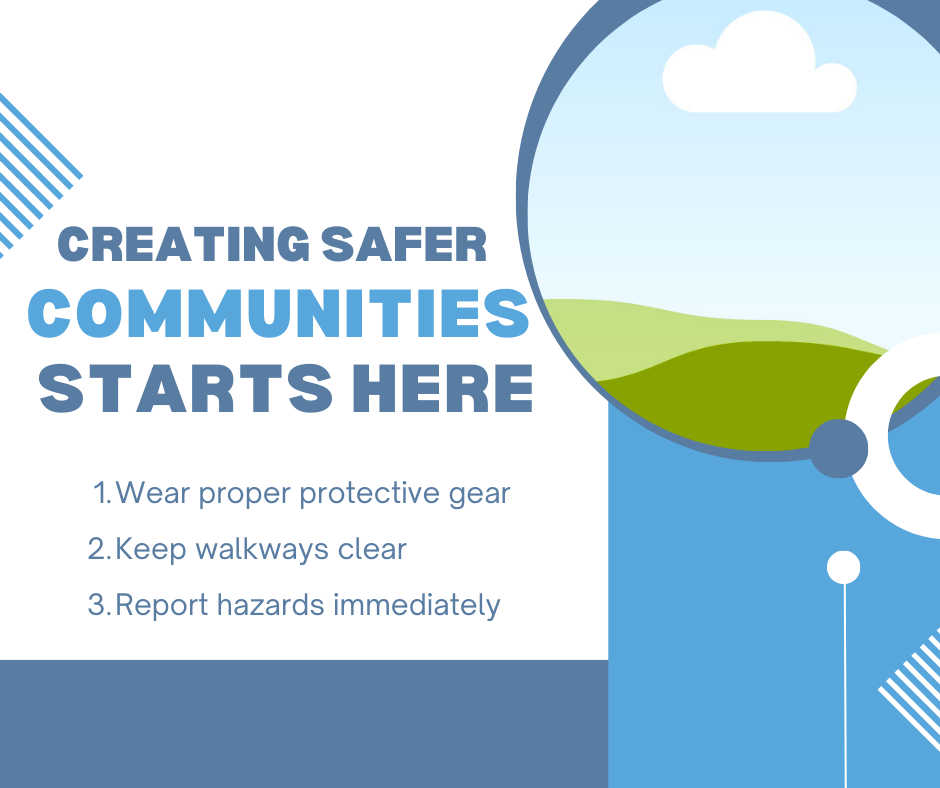
One of the most effective ways to reduce workplace injuries is simple awareness. Employees who remain attentive to their surroundings are better able to identify potential hazards before they become serious problems.
For example, noticing clutter in walkways or uneven surfaces around a property can help prevent trips and falls. Recognizing when a task may require additional help or equipment can prevent unnecessary strain when lifting or moving heavy objects.
Taking a moment to assess each work task before beginning can help reduce the likelihood of injury and ensure that employees approach their work safely.
Practical Steps to Reduce Injury Risk
While every workplace has unique conditions, there are several practical strategies that property management teams can use to reduce the risk of injury.
Stretching before beginning physically demanding tasks can help prepare the body for movement and reduce muscle strain. Even brief stretching routines can make a difference, particularly for employees who regularly perform maintenance work.
Employees should also take short breaks when performing repetitive or physically demanding tasks. These breaks help reduce fatigue and allow the body time to recover.
Proper lifting techniques are especially important. Employees should bend their knees rather than their back when lifting objects and avoid twisting movements while carrying heavy items. When an object is too heavy or awkward to lift safely, employees should seek assistance or use equipment designed to help with lifting.
Maintaining clear and well-lit stairways and walkways is another important safety measure. Clean, dry surfaces help reduce slips and falls and improve visibility when moving through properties.
Footwear also plays an important role in workplace safety. Shoes with good traction can help employees maintain stability on various surfaces and reduce the risk of falls.
Vehicle Safety Considerations
Many property management professionals travel between communities, offices, and vendor locations as part of their daily responsibilities. Because of this, vehicle safety should also be a priority.
Employees should regularly inspect vehicles used for work purposes to ensure that they are operating safely. Defensive driving practices help reduce the risk of accidents and protect both employees and the communities they serve.
Creating a Culture of Safety
Preventing workplace injuries is not only about individual actions; it also involves building a culture of safety within the organization.
When employees feel comfortable reporting unsafe conditions or potential hazards, problems can be addressed before they result in injury. Open communication and proactive safety practices help create an environment where employees support one another in maintaining safe workplaces.
Leadership also plays an important role in reinforcing safety expectations and ensuring that employees have the resources they need to perform their jobs safely.
Supporting Employees and Communities
A safe workplace benefits everyone involved in property management operations. Employees are able to perform their responsibilities more effectively, residents experience fewer disruptions, and properties remain well maintained.
By emphasizing awareness, proper techniques, and proactive safety practices, property management companies can significantly reduce workplace injuries and support healthier working environments.
At EBMC, maintaining safe workplaces for employees, residents, and guests is an important part of delivering professional property management services. Through continued attention to safety and teamwork, property management professionals can help ensure that communities remain both successful and secure.